
Where the 2026 Midterms Stand in August
Three months from Election Day, the 2026 map is taking shape. Republicans defend narrow congressional majorities while Democrats target Senate seats in North Carolina, Maine, and beyond.
Reporting and explainers on the 2026 midterms — battleground Senate races, House math, and how to read polls without overreacting to every release.
Three months from Election Day, the 2026 map is taking shape. Republicans defend narrow congressional majorities while Democrats target Senate seats in North Carolina, Maine, and beyond.
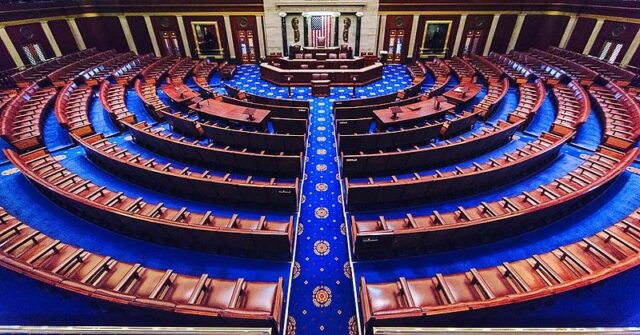
A plain-language guide to the offices up in November 2026, the math each party needs for majorities, and why governors matter as much as Congress this cycle.

Quinnipiac University polls frequently move markets in Northeastern states. Here's what their 2026 surveys measure well — and where to be careful.

Not all polls are equal. These ten organizations publish enough detail about their methods that analysts — and voters — can judge results for themselves.

Gallup no longer chases every House district, but its approval and confidence numbers still shape how analysts frame the 2026 midterms.

Pew is not mainly a horse-race pollster — and that's the point. Their 2026 work helps explain which groups may show up and what they care about.

The ABC/Post partnership still sets the tone for many national midterm stories. Here's how to interpret their 2026 releases without overreading them.

Monmouth's state-level detail and published crosstabs make it a favorite among analysts covering tight Senate and governor races this year.
Marist's partnership with NPR and PBS produces steady national tracking — useful context for House and Senate races alike.

Congressional majorities, governorships, and state legislatures are all in play. This piece summarizes the landscape without pretending anyone knows the final seat count.

Skepticism does not mean ignoring polls — it means knowing their limits. Here is a voter's checklist for the final months before November 3.

Republicans hold a slim House majority. These are the district types — suburban, rural, and multi-ethnic — likely to decide whether that holds in November.

Thirty-five Senate seats are up. Republicans defend a 53–47 majority. We walk through the races both parties must win — and the ones that could go either way.

SSRS fields CNN's political polls. Their 2026 battleground batteries are among the most-watched checks on Senate races in Georgia, North Carolina, and beyond.

The NBC/WSJ poll pairs Democratic and Republican pollsters. That bipartisan field team is especially useful for reading the midterm mood.

The 2022 red wave that wasn't holds lessons for reading 2026 surveys: partisan poll flooding, late deciders, and the difference between a close year and a landslide.

Reuters/Ipsos tracking offers high-frequency national data. Here's how to fit it into a midterm analysis without treating every weekly tick as breaking news.

Polling for the 2026 midterms is already underway. This guide separates sites that field surveys from those that average polls — plus forecast models — with a plain-language bias rating for each.
No articles match your search. Try another keyword or category.