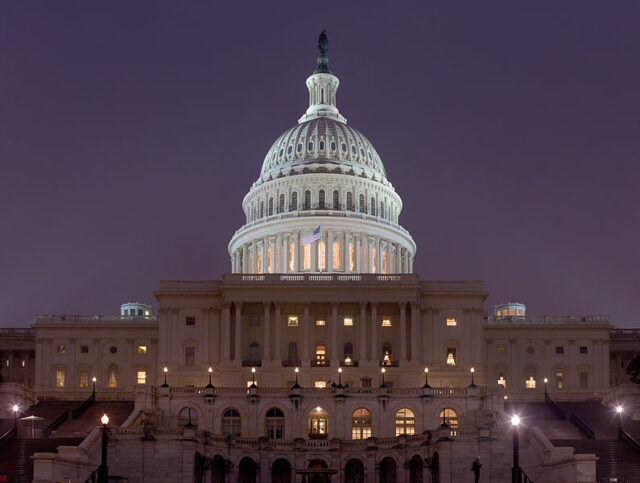
Election Day is November 3, 2026. In August, the midterm picture is clearer than it was in spring, but far from settled. All 435 House seats are on the ballot, along with 35 Senate seats and 39 governor's races.
What voters are weighing
Polling and focus groups this summer point to a familiar mix: cost of living, health care costs, immigration, and how voters grade the president's party at the midpoint of the term. None of that is unusual for a midterm year. What is different in 2026 is how closely divided Congress already is. Republicans hold the House and Senate, but their margins are thin enough that a modest shift in a handful of states could flip control of one or both chambers.
Senate battlegrounds to watch
Democrats need a net gain of four Senate seats to win control (or three if they also win the White House in 2028, for 2026, the working number is four). Their top pickup targets include North Carolina, where former Gov. Roy Cooper faces Republican Michael Whatley for the open seat held by retiring Sen. Thom Tillis, and Maine, where Sen. Susan Collins is running against Democrat Troy Jackson after a tumultuous Democratic primary season.
Republicans are pressing hard in Michigan and Georgia, the two Democratic-held seats in states Donald Trump carried in 2024. In Michigan, Republican Mike Rogers faces Democrat Abdul El-Sayed for the open seat vacated by Gary Peters. In Georgia, Sen. Jon Ossoff is seeking re-election against Republican Rep. Mike Collins.
House and governors
House control may come down to a few dozen districts in the suburbs of Atlanta, Phoenix, New York, and California's Central Valley. Governor races in Wisconsin, Nevada, Arizona, and Michigan could also shape turnout and down-ballot voting.
Polls are a useful temperature check, not a forecast carved in stone. The articles on this site cover individual races, polling firms, and how to read surveys as November approaches.
Comments
Share your take below. When you press Post, you will answer one short U.S. civics question (eight choices). We use it only to help confirm you are a real person, not a spam bot.
Quick civics check
Please answer this question so we know you are human. Your comment will post only if you choose the correct answer.