
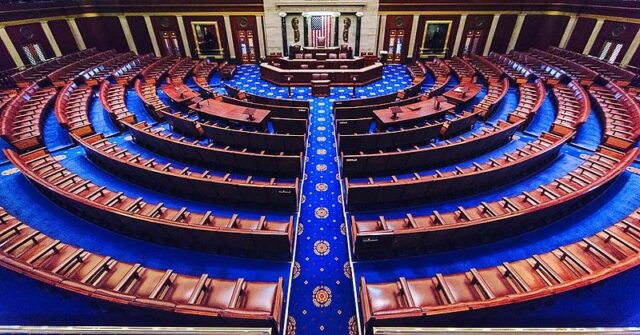
Every two years, midterm elections reset the balance of power in Washington and in state capitals. The 2026 edition is no exception.
Congress in numbers
- House: All 435 voting seats. Republicans currently hold a narrow majority; Democrats need a net gain of three seats for control.
- Senate: 35 seats on the ballot (33 Class II seats plus specials in Ohio and Florida). Republicans hold 53 seats; Democrats need a net gain of four.
- Governors: 39 states, including competitive open seats in Michigan, Nevada, and Arizona.
Why midterms matter beyond the headline count
Committee chairs, impeachment politics, judicial confirmations, and the budget all flow from who holds the gavel. A House majority also shapes which bills get floor votes; a Senate majority controls which nominees reach confirmation.
At the state level, governors will influence redistricting preparation, abortion policy implementation, education funding, and election administration ahead of 2028.
The historical pattern, with caveats
The president's party often loses House seats in midterms. That pattern held in 2022 and 2018, but the size of the swing varies. In 2022, Republicans won the House narrowly despite forecasts of a larger wave. In 2026, forecasters again debate whether economic mood or candidate quality will matter more than the generic partisan lean.
Election Day is Tuesday, November 3, 2026. Voter registration deadlines and early-voting windows differ by state; check your state election office for local rules.
Comments
Share your take below. When you press Post, you will answer one short U.S. civics question (eight choices). We use it only to help confirm you are a real person, not a spam bot.
Quick civics check
Please answer this question so we know you are human. Your comment will post only if you choose the correct answer.